/filters:format(jpeg,png)/fit-in/300x300/guide_websites/122571/images/image-2026-04-01t062522.5851.png)
/filters:format(jpeg,png)/fit-in/237x80/guide_websites/122571/images/image-2026-04-01t062522.5851.png)
Fly Fishing in Fremont River, Utah: Complete Guide
%2Ffit-in%2F1000x1000%2Ffilters%3Aformat(webp)%2Fguide_websites%2F122571%2Fimages%2F1775078952163utah-fly-fishing-guides.jpg&w=1920&q=75)
Updated: June 10, 2026
Tucked between red rock landscapes and mountain scenery, the Fremont River offers one of the most rewarding freshwater angling experiences in southern Utah. Clear flows, healthy trout populations, and quiet stretches of water make it a favorite among anglers who enjoy peaceful surroundings and productive waters. Many anglers travel here each season to experience fly fishing in Fremont River conditions that combine scenic beauty with steady action. From gentle riffles to deeper pools, the river provides opportunities for both beginners and seasoned anglers. With the right timing, gear, and approach, a day along the Fremont River can turn into a memorable Utah fishing experience.
Why Fremont River Is Ideal for Anglers
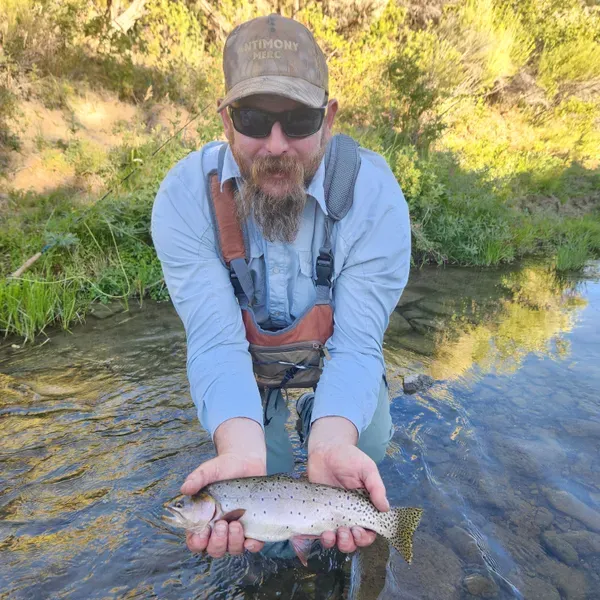
The Fremont River flows through a diverse stretch of southern Utah where cool water, steady currents, and natural cover create an excellent habitat for trout. Many sections feature riffles, undercut banks, and deep pools that provide shelter and feeding lanes for fish. These natural structures make the Fremont River fishing productive for anglers who know how to read the water.
Another advantage is the river’s accessibility. Several public access points allow anglers to explore different stretches without long hikes or complicated routes. Scenic surroundings add to the experience as anglers cast beneath cottonwood trees and along quiet canyon bends.
The river also benefits from seasonal insect hatches, which support healthy trout activity and consistent fishing opportunities throughout much of the year.
Best Time to Visit
A successful fishing trip often depends on timing. Water temperature, seasonal insect activity, and river flow levels all influence trout behavior throughout the year. Anglers who understand these seasonal changes can plan their trips more effectively and improve their chances on the water. Knowing the best time to fish and when conditions are peak can make Utah river fishing along the Fremont River far more productive.
Spring
Spring brings rising water levels as snowmelt feeds the Fremont River. Trout become more active as temperatures slowly climb, especially in late spring. Nymph patterns often perform well during this period because many aquatic insects begin emerging. Morning and late afternoon hours usually offer the most consistent action for anglers.
Summer
Summer provides some of the most reliable fishing opportunities on the river. Warmer temperatures trigger frequent insect hatches, which keep trout feeding near the surface. Dry flies often work well during calm evenings. Early mornings and late evenings are the best times to fish when sunlight and heat are less intense.
Fall
Fall is a favorite season for many anglers because of cooler temperatures and reduced crowds. Water clarity improves, and trout begin feeding aggressively before winter. Dry flies and small nymph patterns can be effective in riffles and shallow runs. The surrounding scenery also becomes especially vibrant during this time.
Winter
Winter fishing on the Fremont River is slower but still possible in certain sections. Trout tend to stay in deeper pools where water temperatures remain stable. Midday hours provide the best opportunity when temperatures rise slightly. Anglers often rely on smaller nymph patterns and slower presentations to attract bites.
Essential Preparations Before Your Fremont River Trip
Spending a day on the Fremont River becomes far more enjoyable when basic preparations are handled in advance. Regulations may vary by season and river section, so checking the latest fishing regulations for the Fremont River before heading out helps avoid unexpected issues.
A few key steps can make the trip smoother:
- Secure a Utah fishing license: Both residents and non-residents must carry one while fishing.
- Review catch limits and rules: Some areas may encourage catch and release to protect trout populations.
- Scout access points: Public pull-offs and river crossings make it easier to reach productive stretches.
- Respect river etiquette: Give other anglers enough space and avoid disturbing active fishing areas.
Preparing in advance allows anglers to focus on reading the water and enjoying the peaceful surroundings of the Fremont River.
Top Gear for a Successful Fly Fishing Trip
Choosing the right equipment helps anglers fish the Fremont River more effectively. Balanced gear improves casting accuracy, drift control, and comfort while navigating varied water conditions found throughout this productive trout stream.
Rods and Reels
- A 5-weight or 6-weight fly rod provides the right balance for casting across narrow runs and wider pools.
- A smooth drag reel helps manage trout that run into deeper currents.
Fly Selection
- Dry flies work well during active insect hatches when trout rise near the surface.
- Nymphs and emergers are effective when fish feed below the surface in deeper runs.
Wading Gear
- Breathable waders keep anglers comfortable during long hours in cooler water.
- Sturdy wading boots with good grip help maintain stability on slippery rocks.
Top Techniques That Work Here
Fishing success on the Fremont River often depends on reading water conditions and presenting flies naturally. Skilled anglers adjust casting, drift, and positioning to match trout behavior throughout changing river conditions.
- Reading the Water: Look for riffles, seams, and slower pockets where trout wait for drifting insects. These areas often create natural feeding lanes where fish conserve energy while feeding.
- Controlled Drift: Allow the fly to drift naturally with the current without drag. A smooth drift closely imitates real insects floating downstream, increasing the chance of trout striking the fly.
- Accurate Presentation: Gentle upstream casts help place the fly ahead of feeding trout. A quiet landing prevents spooking fish in clear water and improves overall hook-up chances.
Many anglers rely on these approaches as part of effective fly fishing techniques that Utah river fishermen commonly use when targeting trout in similar streams.
Where to Cast Your Line on Fremont River
Different sections of the Fremont River offer unique water structures and trout habitats. Exploring several stretches during the same trip often improves success and adds variety to the overall Utah river fishing experience.
Upstream Sections
Upstream areas usually feature narrower channels, shaded banks, and calm pools. Trout often hold near undercut banks, fallen branches, and small pockets where insects drift naturally with the current. These quieter stretches are ideal for anglers who prefer slower presentations and careful casting in less crowded conditions.
Mid-River Runs
The middle sections of the river include steady riffles, shallow runs, and moderate currents that create active feeding zones for trout. Fish frequently position themselves along seams where faster and slower water meet. These areas work well for nymphing techniques and controlled drifts that follow the natural current flow.
Lower River Areas
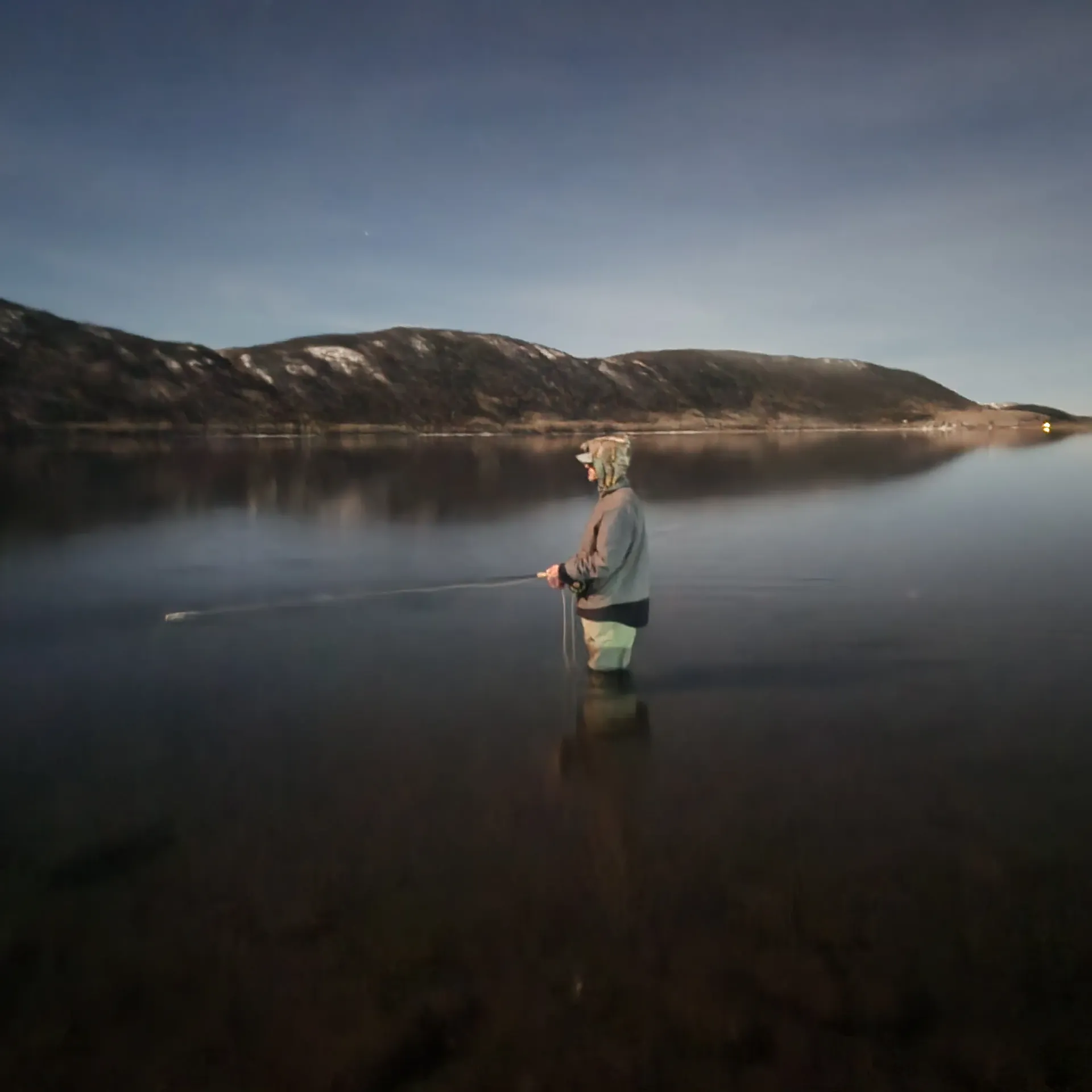
Lower stretches of the Fremont River open into wider channels with deeper pools and longer runs. These areas may attract more anglers due to easier access points. Early morning and evening hours tend to produce the best results as trout move into feeding lanes near the surface.
Safety and Conservation
Safety and environmental awareness play an important role when spending time along the Fremont River. Anglers should move carefully while wading since submerged rocks and uneven riverbeds can become slippery in moving water. Taking slow steps and testing footing helps prevent accidents. Responsible catch-and-release also protects trout populations. Using wet hands, minimizing handling time, and gently returning fish to the water reduce stress on the fish. Respecting the surrounding environment is equally important. Avoid trampling riverbank vegetation and pack out all waste. By practicing sustainable fishing, Fremont River anglers help protect the river’s ecosystem and ensure healthy fishing conditions for future visitors.
Conclusion
The Fremont River offers a rewarding blend of scenic landscapes, steady trout activity, and peaceful fishing stretches that appeal to anglers of all skill levels. From selecting the right season to understanding river sections and techniques, careful planning can turn a simple outing into a memorable experience. Those looking to make the most of their time on the water can benefit from local insight and preparation. At Fly's and Tines, anglers can find the support and knowledge needed to plan a successful fly fishing trip along Utah’s Fremont River.
FAQs
1. What trout species are commonly found in the Fremont River?
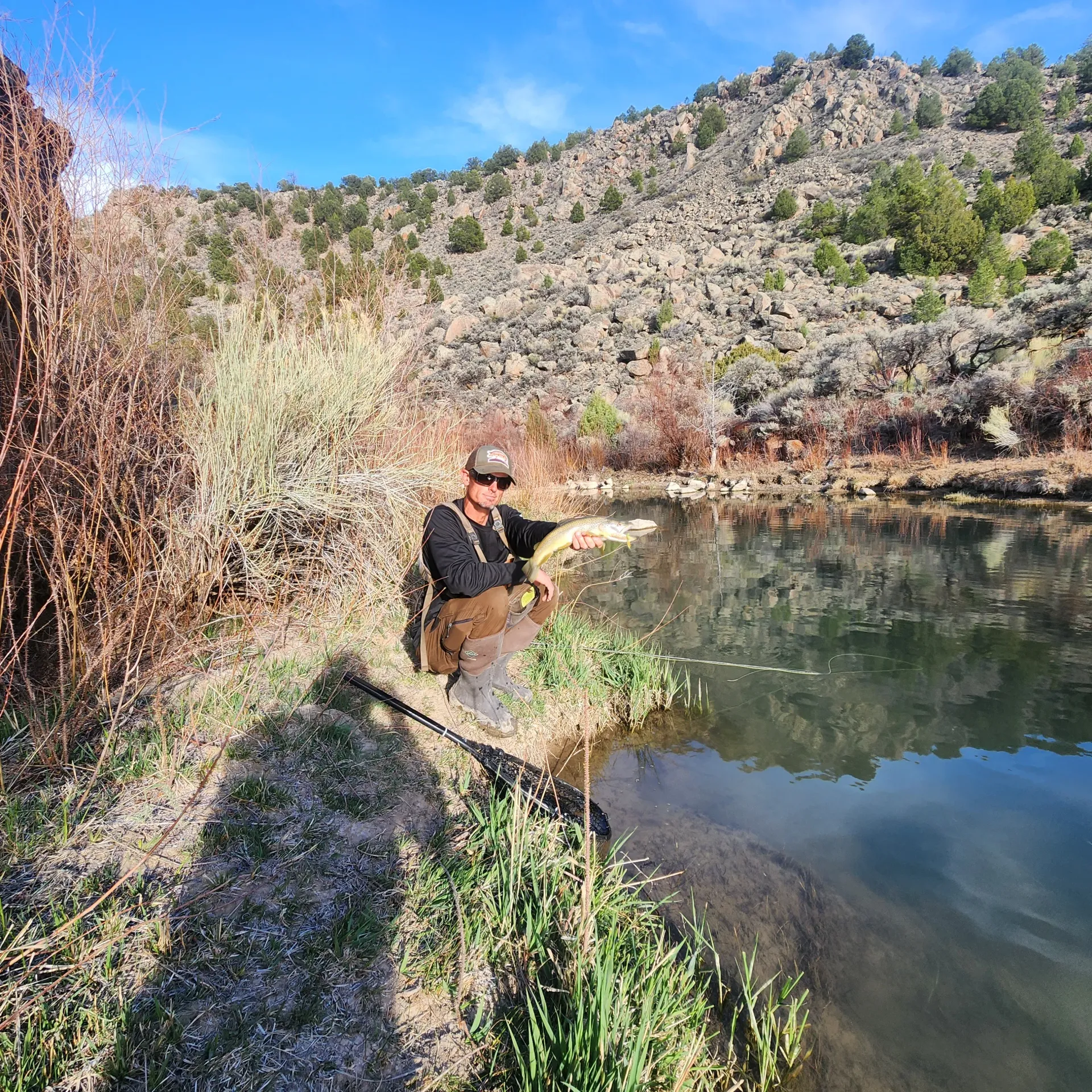
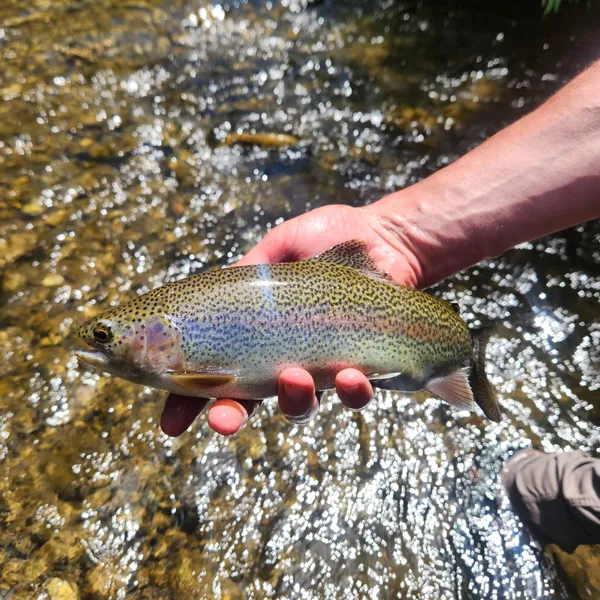
The Fremont River mainly supports brown trout and rainbow trout. Both species thrive in the river’s cool water and natural habitat, offering anglers steady opportunities throughout much of the fishing season.
2. Do I need waders when fishing the Fremont River?
Waders are not always required but they are highly recommended. Many productive fishing spots are easier to reach by wading, especially when targeting trout in deeper pools or mid-river runs.
3. How challenging is the Fremont River for beginner fly anglers?
The river can be beginner friendly in many sections because of its manageable width and visible water structure. With basic casting skills and proper fly selection, beginners can still experience productive fishing.
4. Are there guided fly fishing trips available near the Fremont River?
Yes, guided trips are available through local outfitters and experienced anglers in the region. Guides often help visitors understand river conditions, seasonal hatches, and effective casting locations.
5. What time of day is usually most productive for fishing here?
Early morning and late evening typically produce the best activity because trout feed more actively during cooler temperatures and lower light conditions compared to bright midday hours.