/filters:format(jpeg,png)/fit-in/300x300/guide_websites/122571/images/image-2026-04-01t062522.5851.png)
/filters:format(jpeg,png)/fit-in/237x80/guide_websites/122571/images/image-2026-04-01t062522.5851.png)
Fly Fishing in Capitol Reef National Park: Beginner’s Guide (2026)
%2Ffit-in%2F1000x1000%2Ffilters%3Aformat(webp)%2Fguide_websites%2F122571%2Fimages%2F1775078952163utah-fly-fishing-guides.jpg&w=1920&q=75)
Updated: June 10, 2026
Fishing within a desert national park offers a rare experience where red rock landscapes meet flowing trout water, and few places capture this better than the Fremont River in Capitol Reef. Known as the park’s primary fishing zone, it provides accessible stretches suited to new anglers. This guide is designed specifically for beginners exploring fly fishing in Capitol Reef for the first time, breaking down where to start, when conditions are favorable, which flies to use, and how to handle basic techniques in a practical, easy-to-follow way.
Where You Can Actually Fly Fish in Capitol Reef And What to Expect
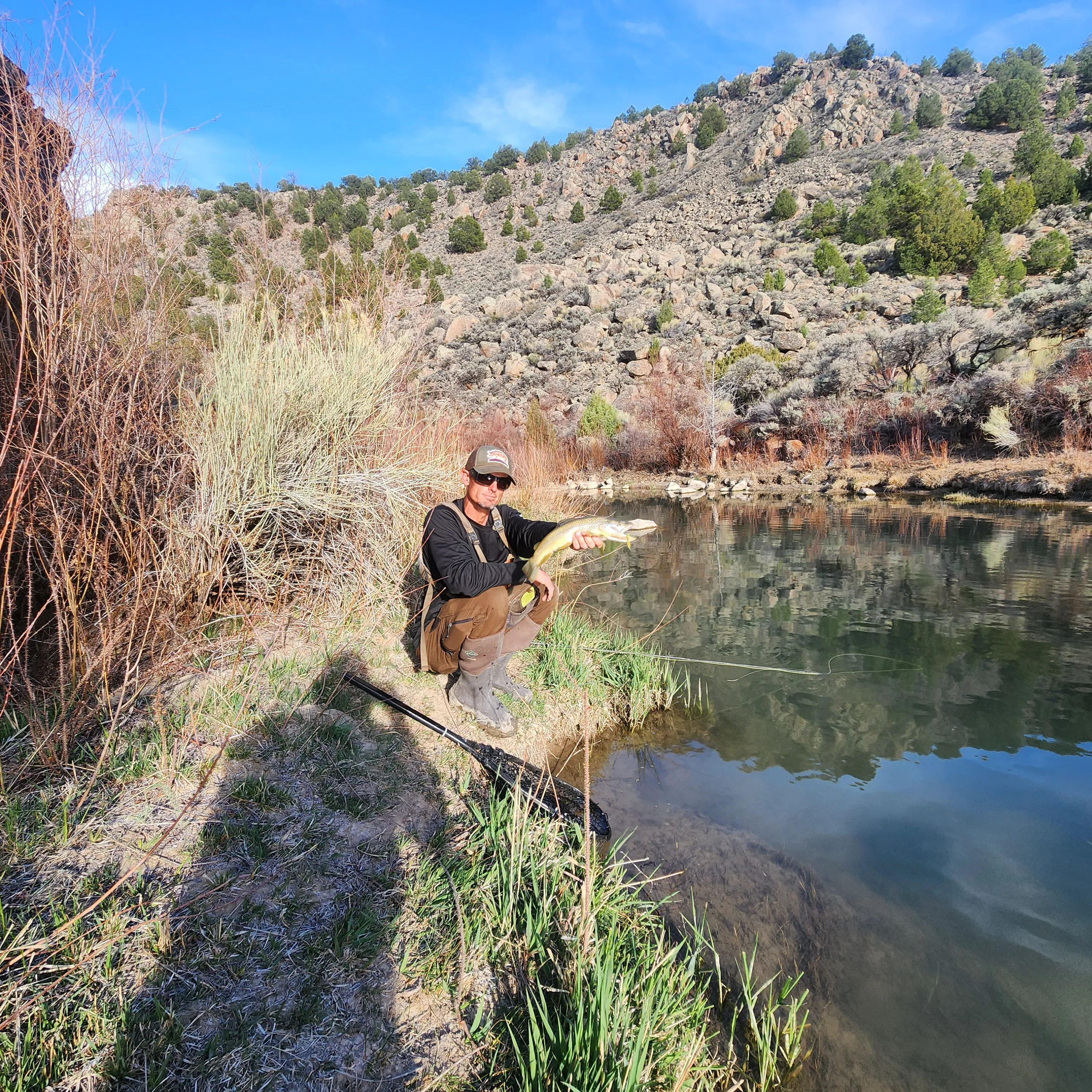
Most Capitol Reef fishing is focused along the Fremont River corridor, which serves as the main fishery running through the park. This river offers the most reliable and accessible opportunities for anglers exploring the area.
Fishing within park boundaries feels more controlled and scenic, with stricter regulations and fewer access points. Nearby stretches outside the park are often easier to reach and can provide more flexibility for beginners looking to practice comfortably.
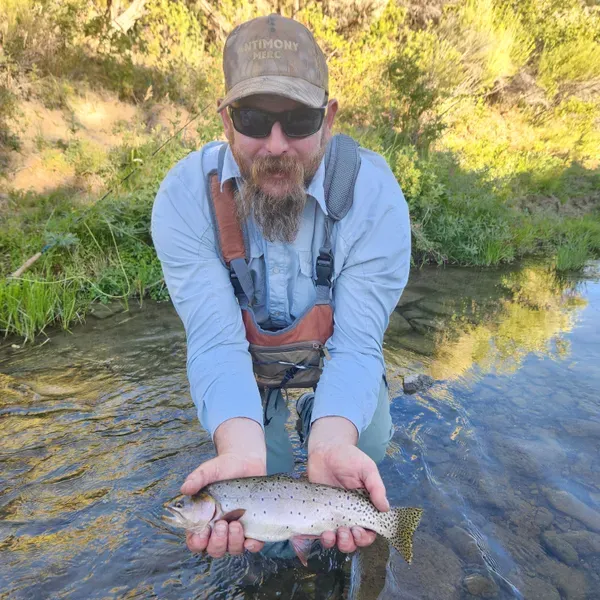
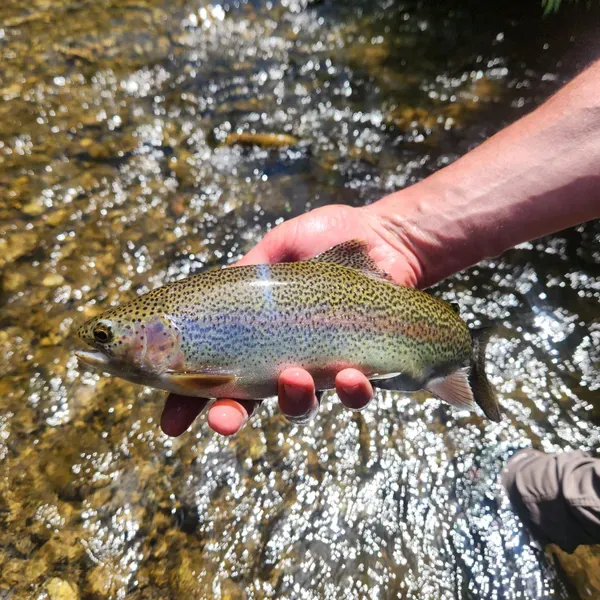
The water here is typically narrow and brush-lined, with a steady but moderate flow that requires short, accurate casts instead of long-distance casting. Brown and rainbow trout are the most common catches in this system, with occasional cutthroat trout found in select sections.
Fremont River Breakdown for Beginners
For those starting out with fly fishing in Capitol Reef, understanding how the Fremont River is structured helps improve both technique and confidence on the water.
The river is made up of several distinct features that influence where trout hold and how you should approach casting:
- Pocket water: Small, fast-moving sections where fish sit behind rocks to conserve energy while waiting for food
- Undercut banks: Hidden edges along the riverbank where trout stay protected and less visible
- Shaded stretches: Cooler, covered areas that attract fish, especially during warmer parts of the day
Trout in this system tend to stay close to these structures, relying on cover rather than open water. Reading these zones correctly often matters more than casting distance.
Dense vegetation along the banks limits wide casting, so shorter and more controlled casts are more effective. Roll casting is especially useful in tighter sections where backcasting space is restricted.
Wading is generally manageable, but the riverbed can be uneven with slippery rocks. Moving slowly and maintaining a stable footing helps ensure both safety and better positioning while fishing.
Best Months for Fly Fishing in Capitol Reef Conditions
Timing plays a major role in success, and understanding seasonal shifts offers practical Utah fly fishing tips for fishing the Fremont River effectively.
Each season affects water clarity, fish behavior, and overall ease for beginners:
- Spring (snowmelt impact): Rising water levels reduce clarity and increase flow, making casting and fish visibility more difficult
- Early summer (stabilizing flows): Water begins to clear, creating better conditions for reading the river and improving catch chances
- Peak summer (low flow advantage): Lower water levels make fish easier to spot, which helps beginners focus on accuracy and positioning
- Insect activity: Caddisflies and mayflies are most active in warmer months, increasing surface feeding opportunities
- Fall (balanced conditions): Cooler temperatures and steady flows lead to more active trout and consistent fishing conditions
Recognizing these patterns helps beginners choose the right time and adapt their approach based on river conditions.
Exact Access Points Along Scenic Drive and Nearby Roads
Finding the right entry points makes a big difference, especially for those starting with beginner fly fishing in Utah around Capitol Reef.
Several accessible spots allow anglers to reach the Fremont River without complicated navigation:
- Scenic Drive pull-offs: Designated stops along the park’s Scenic Drive provide direct access to fishable sections, often within a short walk from the road
- Torrey access zones: Areas near Torrey offer easier entry with less vegetation, making them ideal for beginners who need space to practise casting
- Roadside vs walk-in stretches: Roadside spots are convenient and time-saving, while short walk-in areas can offer slightly less pressured water
It is important to park only in designated areas and avoid blocking roads or private property. Always check access boundaries, as some stretches near the river may pass through private land or restricted zones.
Flies That Actually Work on the Fremont River
Choosing the right flies on the Fremont River is more about simplicity than variety. A few reliable patterns can cover most conditions and help beginners stay focused on technique.
Effective options include:
- Elk Hair Caddis during active surface feeding
- Parachute Adams for all-round use
- Hopper patterns in late summer conditions
A few key points to follow:
- Match fly size with visible insects
- Use dry flies when fish rise
- Switch to nymphs if the surface is quiet
- Keep presentations natural and drift clean
Observing fish behaviour and adjusting quickly often matters more than changing multiple flies.
How to Fly Fish in Tight Desert Streams
Learning how to fly fish in tight desert streams like the Fremont River requires adapting to limited space and precise control rather than long casts. Short-distance casting works best, as narrow channels and overhanging vegetation restrict movement, making roll casting especially useful when there is no room for a full backcast. Maintaining proper line control is important in these narrow currents to achieve a natural drift without drag. Success often comes from reading small holding pockets behind rocks, along banks, and in shaded areas where trout position themselves to feed efficiently.
Common Mistakes Specific to Capitol Reef Waters
Fishing in Capitol Reef requires adapting to smaller, more technical water, and avoiding a few common mistakes can significantly improve results.
- Long casts in tight sections: Often lead to poor accuracy and frequent snags due to overhanging vegetation.
- Ignoring shaded banks: Misses key holding areas where trout stay protected and feed.
- Midday slowdowns: Fish become less active in bright and warmer conditions, reducing chances.
- Oversized flies in clear water: Appear unnatural and can easily spook cautious fish.
Regulations, Licenses, and Park-Specific Rules
Fishing in Capitol Reef requires following both state and park regulations to ensure a responsible and legal experience. A valid Utah fishing license is mandatory for all anglers fishing in and around these waters, and it should be obtained before starting your trip.
Certain stretches encourage or require catch-and-release practices to help maintain healthy trout populations. Following these guidelines supports conservation efforts and ensures consistent fishing opportunities over time.
- Carry your fishing license at all times.
- Check local updates before entering new sections.
- Follow signage near access points and roads.
Respecting the protected park environment is equally important, including avoiding damage to vegetation, not disturbing wildlife, and properly disposing of waste. Regulations may also vary slightly near park boundaries, so checking local rules in advance helps prevent any issues.
Should Beginners Fish Inside the Park or Nearby Waters?
Choosing between fishing inside Capitol Reef or nearby areas depends on your goals when starting beginner fly fishing in Utah. Fishing within the park offers a scenic and quieter experience, though fish tend to be smaller and slightly more challenging. Nearby Boulder Mountain waters provide higher catch rates and easier conditions, making them more suitable for building confidence. Beginners focused on learning quickly may prefer nearby waters, while those seeking experience and scenery may choose the park.
Conclusion
Capitol Reef remains a niche yet beginner-friendly fishery where the focus is on learning rather than landing trophy fish. The Fremont River serves as a practical training ground, helping new anglers understand water flow, fish behavior, and basic techniques in a manageable setting. Expectations should stay realistic, as success here is built through patience and gradual improvement. First-time anglers benefit most by focusing on experience and skill-building rather than results. For a smoother start, Fly’s and Tines offers guided trips that help beginners learn faster and make the most of their time on the water.
FAQs
- Is the Fremont River suitable for complete beginners?
Yes, the Fremont River offers manageable water conditions and accessible sections, making it a good starting point for beginners learning basic casting and fish-reading skills. - Do I need special gear for fly fishing in Capitol Reef?
No, a simple rod, reel, and a few effective fly patterns are enough to get started, as the river does not require highly specialized equipment. - When are trout most active in Capitol Reef?
Trout are generally more active during early mornings and evenings, especially in warmer months when temperatures are lower and feeding activity increases. - Is fishing better inside the park or in nearby areas?
Fishing inside the park offers scenic value, while nearby waters often provide higher catch rates, making them more suitable for beginners. - Are there easy access points for beginners?
Yes, several roadside access points along the Fremont River allow beginners to start fishing without long hikes or difficult terrain.