/filters:format(jpeg,png)/fit-in/300x300/guide_websites/122571/images/image-2026-04-01t062522.5851.png)
/filters:format(jpeg,png)/fit-in/237x80/guide_websites/122571/images/image-2026-04-01t062522.5851.png)
Antimony, Utah Fly Fishing Guide (Hidden Gem Spots)
%2Ffit-in%2F1000x1000%2Ffilters%3Aformat(webp)%2Fguide_websites%2F122571%2Fimages%2F1775078952163utah-fly-fishing-guides.jpg&w=1920&q=75)
Updated: June 10, 2026
Tucked away in southern Utah, Antimony stands out as a quiet fishing destination far from crowded rivers and busy access points. Anglers looking for peaceful waters often choose Antimony, Utah, for fly fishing, thanks to its low pressure and reliable trout action. Open landscapes and calm surroundings create a more focused and rewarding fishing experience.
Located near Otter Creek Reservoir and connected to small creeks, the area offers both stillwater and stream fishing options. Clear waters, wild trout, and scenic high-desert views make it ideal for anglers who value solitude and exploration.
Why Antimony is a Hidden Gem for Fly Fishing
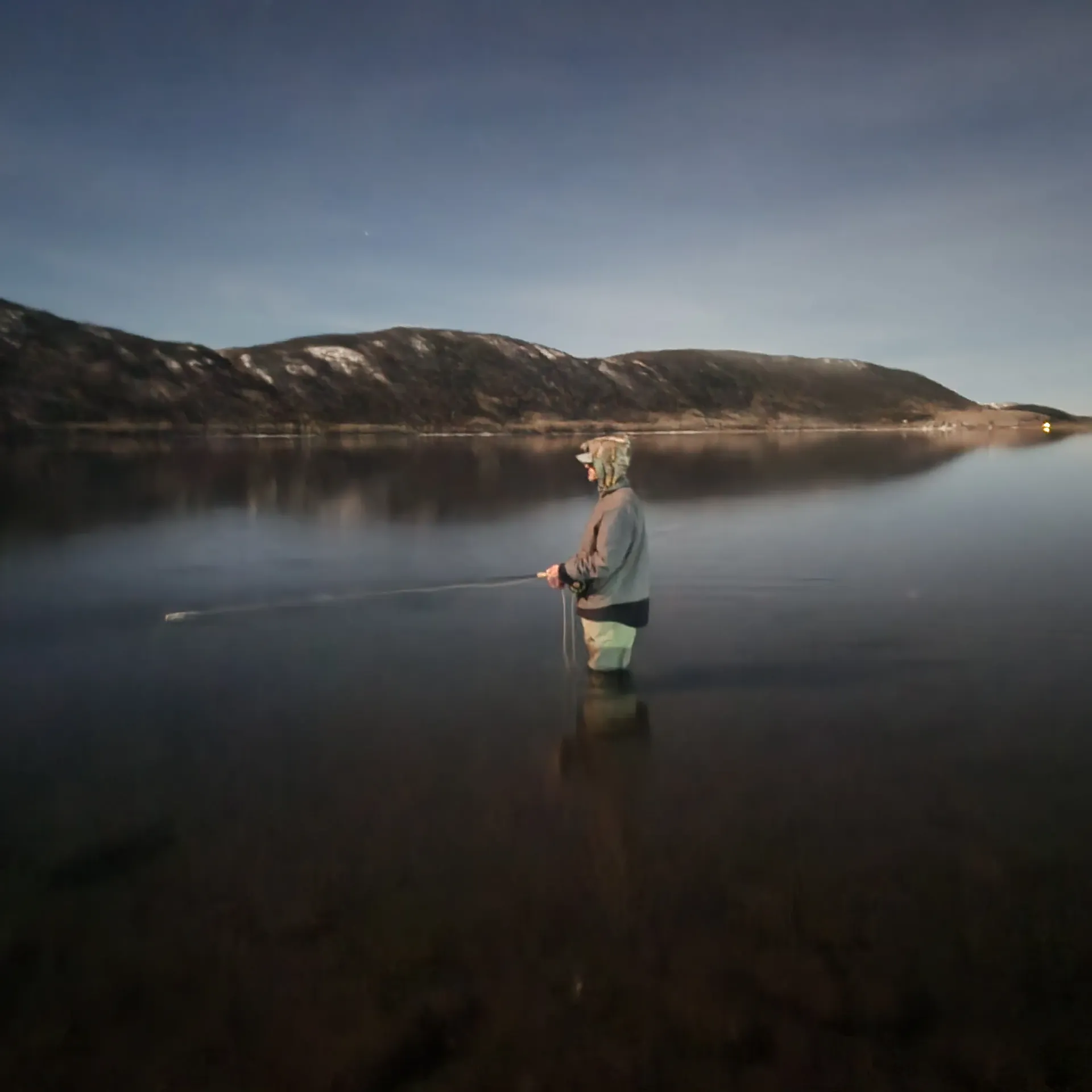
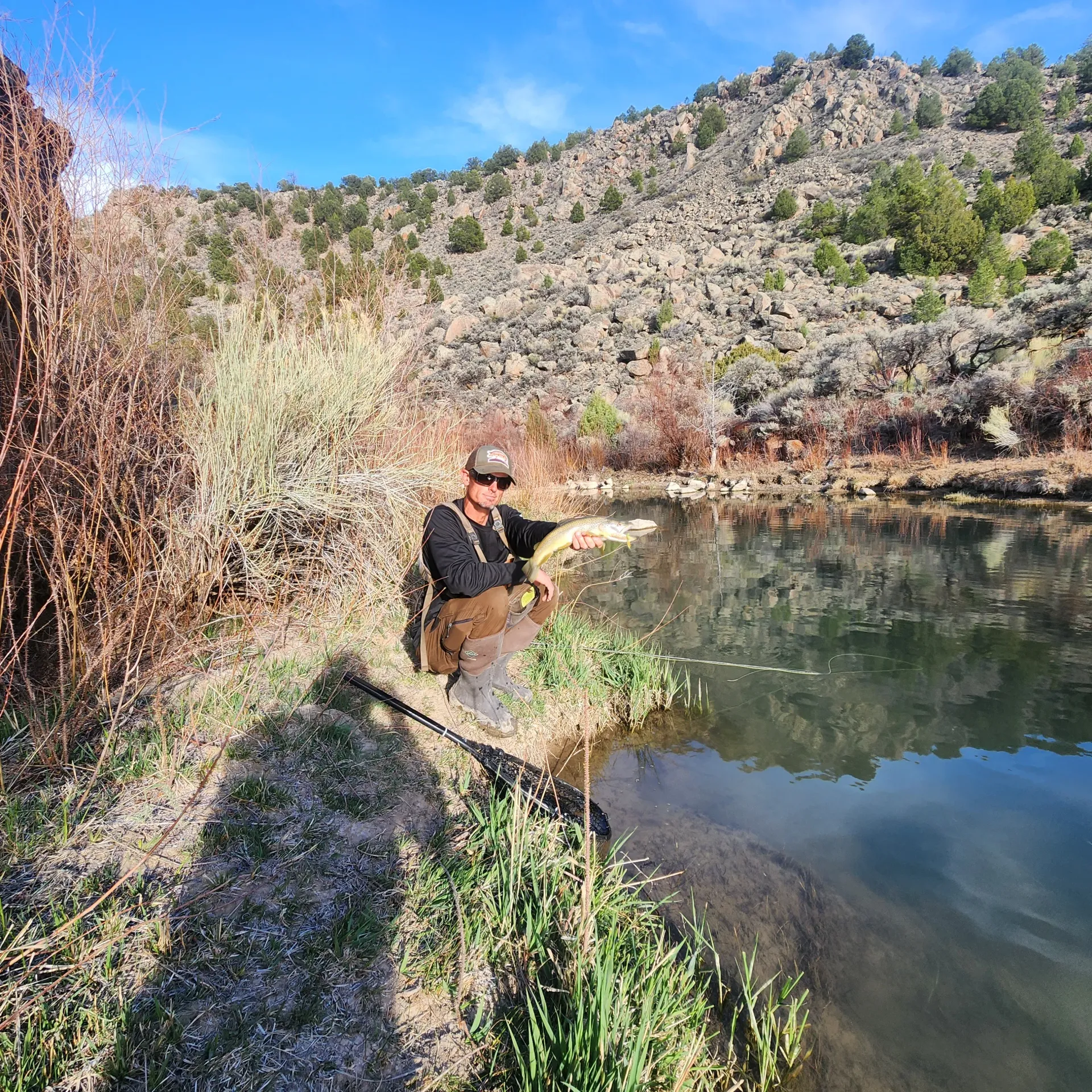
Antimony’s small population and remote setting keep fishing pressure low, allowing anglers to enjoy quiet, uncrowded waters throughout the year. This peaceful environment makes every trip feel more focused, with better chances of steady trout action.
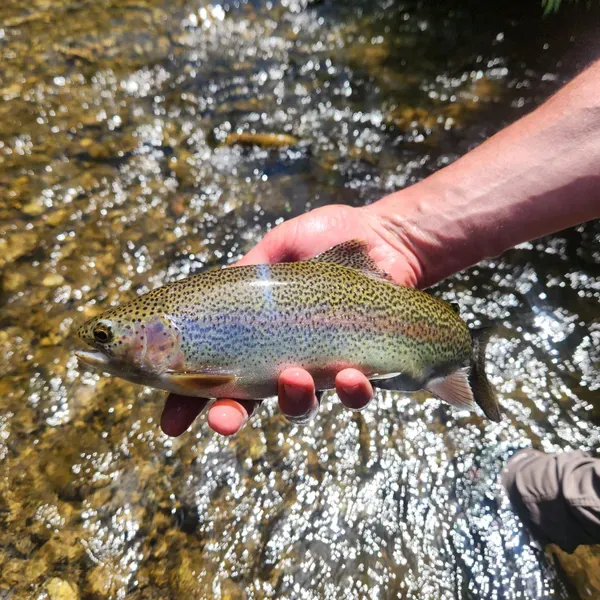
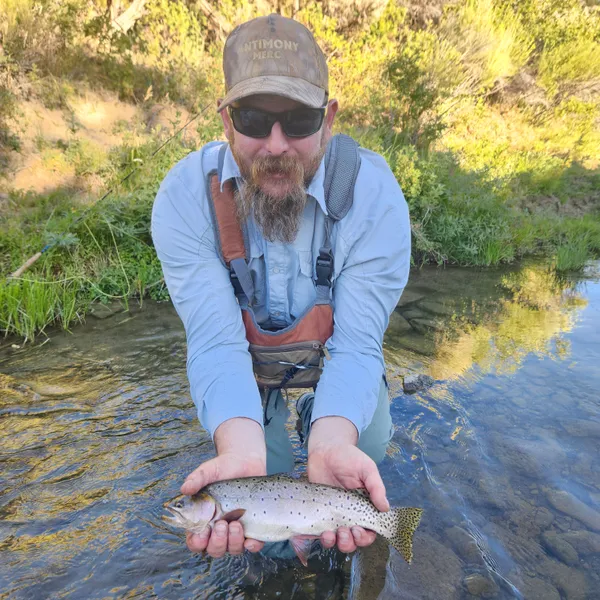
A mix of Otter Creek Reservoir and nearby creeks offers both stillwater and stream fishing in one area. Rainbow, brown, and cutthroat trout thrive here, supported by scenic high-elevation landscapes and reliable year-round fishing conditions.
Best Time for Fly Fishing Antimony, Utah
Success with fly fishing in Antimony, Utah, depends heavily on seasonal changes, especially water temperature and flow. Trout adjust their feeding depth based on these conditions, staying deeper in colder or high-flow periods and moving closer to the surface when temperatures stabilize.
- Spring: Snowmelt increases runoff, so nymph fishing works best as trout hold deeper in faster currents.
- Summer: Early mornings and evenings bring cooler water, making dry fly fishing more effective near the surface.
- Fall: Stable flows, active trout, and fewer crowds create the most consistent fishing conditions.
- Winter: Fly fishing slows down, especially near Otter Creek Reservoir, where ice fishing becomes more common.
Top Hidden Fly Fishing Spots Near Antimony
Antimony offers access to lesser-known Utah fishing spots where anglers can enjoy quiet waters, varied trout habitats, and minimal pressure across reservoirs, creeks, and remote backcountry areas.
Otter Creek Reservoir
Otter Creek Reservoir is the main fishery near Antimony, known for steady rainbow trout action and year-round fishing. Its stillwater setup allows anglers to cover larger areas and adjust techniques based on depth and temperature.
- Streamers work well for aggressive trout in deeper zones
- Midges and nymphs are effective throughout the year
- Focus on west-side points, dam areas, and drop-offs
- Boat or float access improves reach during warmer months
Antimony Creek (Underrated Spot)
Antimony Creek provides a smaller, more relaxed setting ideal for learning and refining fly fishing techniques. With lower pressure, trout are more responsive to careful presentations.
- Great for beginners practicing fly casting
- Dry flies perform well during warmer periods
- Light tackle and subtle presentations are effective
- Shaded runs and shallow sections often hold active fish
Surrounding Backcountry Waters
Public lands around Antimony open up hidden fishing opportunities for anglers willing to explore beyond easy access points. These areas reward patience and movement.
- Access available through BLM-managed lands
- Less-explored waters mean lower fishing pressure
- Ideal for anglers seeking solitude and quiet environments
- Exploring new stretches often leads to productive trout pockets
Essential Gear for Antimony Fly Fishing
Fishing around Antimony requires gear that can adapt to both stillwater and small stream conditions. A 4–6 weight rod offers the right balance for versatility, allowing anglers to handle light presentations in creeks while still having enough strength for larger fish in Otter Creek Reservoir.
Fly selection should change based on conditions. Nymphs work reliably throughout the year, especially in deeper or faster water, while streamers are effective in reservoir settings when targeting aggressive trout. During summer evenings, dry flies become the best option as fish rise to feed near the surface. Waders are also important for accessing creeks and improving positioning along the shoreline, helping anglers adjust easily to different water types.
Proven Fly Fishing Techniques for Better Catch Rates
Improving results with antimony Utah fly fishing comes down to adjusting techniques based on water depth, temperature, and trout behavior. Small changes in presentation can make a noticeable difference in catch rates across both creeks and stillwater areas.
- Nymphing: Focus on deeper sections during warmer months, as trout move down to stay in cooler water. Use weighted setups to maintain proper depth and drift.
- Streamer fishing: Target aggressive trout in Otter Creek Reservoir by retrieving streamers at varying speeds to trigger strikes.
- Dry fly fishing: Match hatch activity during calmer periods, especially when trout rise to feed near the surface.
- Depth control: Adjust your presentation based on season and temperature, keeping flies where trout are actively feeding rather than where they are visible.
Local Tips for Exploring Utah Fishing Spots Around Antimony
Planning fly fishing trips in Antimony, Utah, becomes more effective when you focus on timing, access, and local conditions to make the most of nearby waters.
- Fish during early morning or late evening when trout are most active
- Use boats in Otter Creek Reservoir during the summer to reach deeper water
- Try shoreline fishing in cooler seasons when fish move closer to the edges
- Follow local regulations and practice responsible catch and release
- Explore camping areas and access points around the reservoir for better positioning
Planning Your Antimony Fly Fishing Trip
Reaching Antimony is straightforward via Utah State Route 22, which connects anglers to some of the quieter Utah fishing spots in the region. Basic amenities are available nearby, including camping areas around Otter Creek Reservoir, making it easy to stay close to the water without heavy planning.
A 2–3 day trip works well for exploring the area at a steady pace. Spend the first day fishing the reservoir, then move to nearby creeks on the second day for a more technical experience. The final day can include short hikes or ATV trail exploration alongside fishing, allowing you to experience both the landscape and its hidden waters.
Common Mistakes to Avoid
Many anglers miss opportunities in Antimony by overlooking simple factors that directly affect success. Avoiding these common mistakes can improve consistency and help you make better decisions on the water.
- Timing mistakes: Fishing during midday when trout are less active reduces chances of success.
- Depth misjudgment: Ignoring water depth changes leads to poor fly presentation.
- Wrong fly choice: Using flies that do not match seasonal conditions limits effectiveness.
- Ignoring small waters: Overlooking smaller creeks means missing less-pressured, active trout.
Conclusion
For anglers seeking quieter waters and rewarding experiences, Antimony, Utah, fly fishing stands out as a true hidden gem. With a mix of reservoir and creek fishing, low pressure, and scenic high-desert landscapes, it offers both variety and consistency without the crowds found in popular Utah destinations. Every trip here feels more personal, with opportunities to explore and discover new water. Whether you prefer solo exploration or expert guidance, Fly’s and Tines can help you make the most of your visit. Plan your next fishing adventure, discover new spots, and experience a side of Utah that many anglers overlook.
FAQs
Q1. Do you need a fishing license for Antimony, Utah?
Yes, anglers must carry a valid Utah fishing license. Regulations vary by waterbody and season, so checking current rules before fishing helps avoid penalties and ensures responsible angling practices.
Q2. What type of flies work best in Antimony waters?
Nymphs work consistently throughout the year, while dry flies are effective during hatch periods. Streamers perform well in deeper reservoir areas when targeting aggressive trout feeding below the surface.
Q3. Are there less crowded fishing spots near Antimony?
Yes, smaller creeks and surrounding backcountry waters receive less fishing pressure. Exploring beyond the main access points often leads to quieter stretches with active trout and a more relaxed experience.
Q4. Can you fish year-round in Antimony?
Fishing is available year-round, though winter conditions can limit fly fishing opportunities. Colder temperatures often shift activity toward deeper water or ice fishing in larger bodies like Otter Creek Reservoir.
Q5. How accessible are fishing spots around Antimony?
Many fishing areas are accessible by road, especially near the reservoir. Some backcountry spots require extra travel or short hikes, but they often reward anglers with quieter water and better fishing conditions.