/filters:format(jpeg,png)/fit-in/300x300/guide_websites/122571/images/image-2026-04-01t062522.5851.png)
/filters:format(jpeg,png)/fit-in/237x80/guide_websites/122571/images/image-2026-04-01t062522.5851.png)
Best Time for Fly Fishing in Utah (Season Guide)
%2Ffit-in%2F1000x1000%2Ffilters%3Aformat(webp)%2Fguide_websites%2F122571%2Fimages%2F1775078952163utah-fly-fishing-guides.jpg&w=1920&q=75)
Updated: June 10, 2026
Utah offers year-round fly fishing, but timing determines success more than anything else. Anglers can fish 365 days a year across rivers, tailwaters, and alpine streams, yet results vary depending on when and where you go. The best time for fly fishing in Utah depends on seasonal shifts in trout behavior, insect hatches, and water conditions that directly impact feeding patterns. Spring runoff, summer stability, fall aggression, and winter slowdowns all shape the experience differently. Understanding these changes helps anglers choose the right moment, improving catch rates while making each trip more predictable, productive, and rewarding overall.
Understanding Utah’s Fly Fishing Calendar
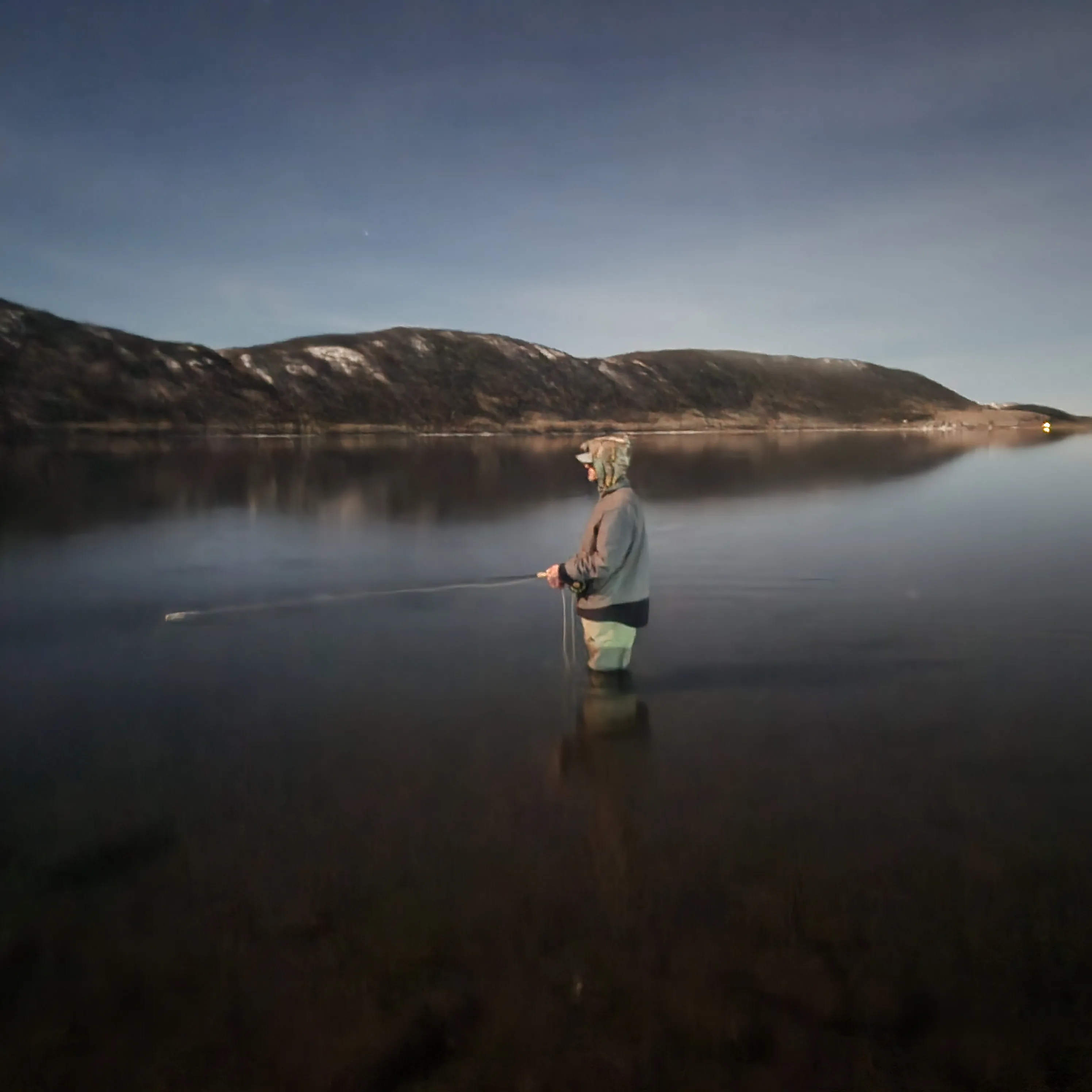
Utah’s fly fishing calendar is shaped by climate patterns, snowmelt runoff, and the type of river system you choose. Seasonal snowmelt affects water levels and clarity, especially in freestone rivers, making timing critical for success. Tailwaters, on the other hand, offer more consistent flows and temperatures, allowing for reliable fishing throughout the year. This contrast plays a major role in how anglers plan their trips across different months. Open water fishing typically runs from March to December, while winter still provides opportunities on select rivers. Understanding these Utah fishing seasons helps anglers navigate changing conditions and fish more effectively year-round.
Spring Fly Fishing in Utah (March – May)
Spring marks the transition from winter dormancy to active feeding, making it a key phase in Utah’s trout fishing seasons. As water temperatures gradually rise, trout begin feeding more consistently, especially around spawning periods. Early in the season, fishing can feel slow, but conditions steadily improve as insect activity increases and rivers begin to stabilize. Late spring can bring snowmelt runoff, which affects water clarity and flow, requiring anglers to adapt their approach.
Key highlights:
- First major mayfly and blue-winged olive hatches begin
- Increased trout feeding before and after spawning cycles
- May stands out as a peak transition month with improving conditions
Ideal techniques:
- Nymphing works best in early spring when fish stay deeper
- Dry flies become effective during hatch windows for surface action
Summer Fly Fishing in Utah (June – August)
Summer is the most popular and beginner-friendly season for fly fishing in Utah, offering stable conditions and consistent results. After spring runoff subsides, rivers clear up, making access easier and improving visibility for both anglers and fish. This period is often considered the most reliable window if you are planning around the best season to fly fish in Utah, especially for those looking for predictable action. Trout remain highly active due to optimal water temperatures, feeding aggressively throughout the day.
Key highlights:
- Strong green drake, caddis, and stonefly hatches
- High trout activity with consistent feeding patterns
- June stands out for peak metabolism and feeding behavior
Ideal techniques:
- Dry fly fishing delivers excellent surface action
- Hopper-dropper setups help cover both surface and subsurface zones
Fall Fly Fishing in Utah (September – November)
Fall is often underrated, yet it delivers some of the most productive fishing of the year and is widely regarded as the best season for trout fishing in Utah. As temperatures cool, trout begin aggressive feeding in preparation for winter, creating excellent opportunities for consistent catches. Brown trout spawning season also adds excitement, as larger fish become more active and territorial. September and October are commonly considered the peak window, offering ideal water conditions and strong fish behavior. Reduced angling pressure and scenic autumn landscapes further enhance the experience.
Key highlights:
- Aggressive feeding before winter slowdown
- Brown trout spawning increases the chances of larger catches
- September–October provides peak fishing conditions
Ideal techniques:
- Streamer fishing works well for targeting aggressive, larger trout
- Nymphing remains effective as fish feed consistently below the surface
- Dry-dropper setups help cover changing feeding behavior throughout the day
Winter Fly Fishing in Utah (December – February)
Winter fly fishing in Utah continues despite colder temperatures, offering a quieter and more technical experience for anglers. This period is often seen as a niche but rewarding phase within the Utah trout fishing seasons, especially on tailwaters where consistent flows keep water from freezing. Trout move more slowly in cold conditions, yet they continue feeding regularly, making patience and precision essential. Fishing is most productive during midday when temperatures rise slightly and insect activity increases. Late winter, particularly January and February, can bring surprisingly good dry fly opportunities.
Key highlights:
- Strong midge hatches dominate insect activity
- Midday provides the most productive fishing window
- Trout remain active, though slower and more selective
Ideal techniques:
- Nymphing is highly effective in deeper, slower runs
- Small dry flies work well during midge hatch periods
Best Months for Fly Fishing in Utah: Quick Breakdown
Choosing the right month can make a noticeable difference in success, as conditions shift steadily throughout the year. While Utah offers year-round opportunities, certain periods stand out for consistency, fish activity, and overall ease of fishing.
- March–April: Early hatches begin, but conditions remain variable with fluctuating water temperatures.
- May–June: Peak transition phase with stronger feeding and improving river clarity.
- July–August: Stable water conditions and consistent action make this ideal for beginners.
- September–October: Peak performance with aggressive trout and higher chances of larger catches.
- November–February: More technical fishing, but rewarding for those who adapt to slower conditions.
Spring and fall are generally considered the prime seasons due to balanced water conditions, active trout behavior, and reliable hatch activity.
Key Factors That Affect the Best Time to Fish
Understanding the best time for fly fishing in Utah requires looking beyond seasons, as multiple factors influence trout behavior. Water temperature is critical, since trout feed actively within optimal ranges and slow down in very cold conditions. Hatch cycles often matter more than the season, because insect activity directly triggers feeding. Snowmelt runoff can reduce visibility and increase flow, especially in late spring, making fishing more challenging.
Time of day also plays a key role, with mornings and evenings working best in summer, while midday is more effective in winter. Considering these variables helps anglers make better decisions and fish more efficiently year-round.
Tips for Choosing the Right Season
Choosing the right time depends on your experience level and fishing goals within the broader Utah fishing seasons. Each season offers distinct advantages, so matching conditions with your skill level and expectations helps improve both success and overall experience on the water.
Beginner-friendly choices:
- Summer: Stable water conditions, clear visibility, and consistent trout activity make learning easier and more predictable.
- Spring/Fall: Balanced conditions with active trout feeding, offering better catch rates without extreme seasonal challenges.
Advanced angler choices:
- Winter: Demands precision, patience, and technical skills due to slower trout behavior and selective feeding patterns.
- Fall: Ideal for targeting larger trout, as aggressive pre-winter feeding increases chances of landing trophy-sized fish.
Conclusion
There is no single answer to the best time for fly fishing in Utah, as each season offers a different experience and advantage. Summer stands out for accessibility and consistent conditions, while spring and fall deliver peak performance with active trout and strong hatch activity. Winter, though more technical, provides unique opportunities for anglers willing to adapt. Success comes from aligning your timing with your skill level, preferred techniques, and fishing goals. With Fly's and Tines, you can plan smarter trips by choosing the right season, river type, and trout behavior to maximize every outing.
FAQs
1. Which month is most reliable for fly fishing in Utah?
June is often the most reliable month due to stable flows, active hatches, and high trout feeding activity across both freestone rivers and tailwaters.
2. Are Utah tailwaters fishable throughout the year?
Yes, tailwaters provide consistent water flow and temperature, allowing anglers to fish successfully in all seasons, including winter months.
3. Is fall better than spring for catching bigger trout?
Fall is generally better for larger trout because fish feed aggressively before winter and brown trout become more active during spawning season.
4. What time of day works best in different seasons?
Mornings and evenings are ideal in summer, while midday is more productive in winter when slightly warmer temperatures increase trout activity.
5. Do beginners need special gear for Utah fly fishing seasons?
Basic fly fishing gear works year-round, but adjusting fly size, weight, and technique based on seasonal conditions improves overall success.