

4-Hour Private Fly-Fishing in Southern Utah
 Utah
What you will be catching:
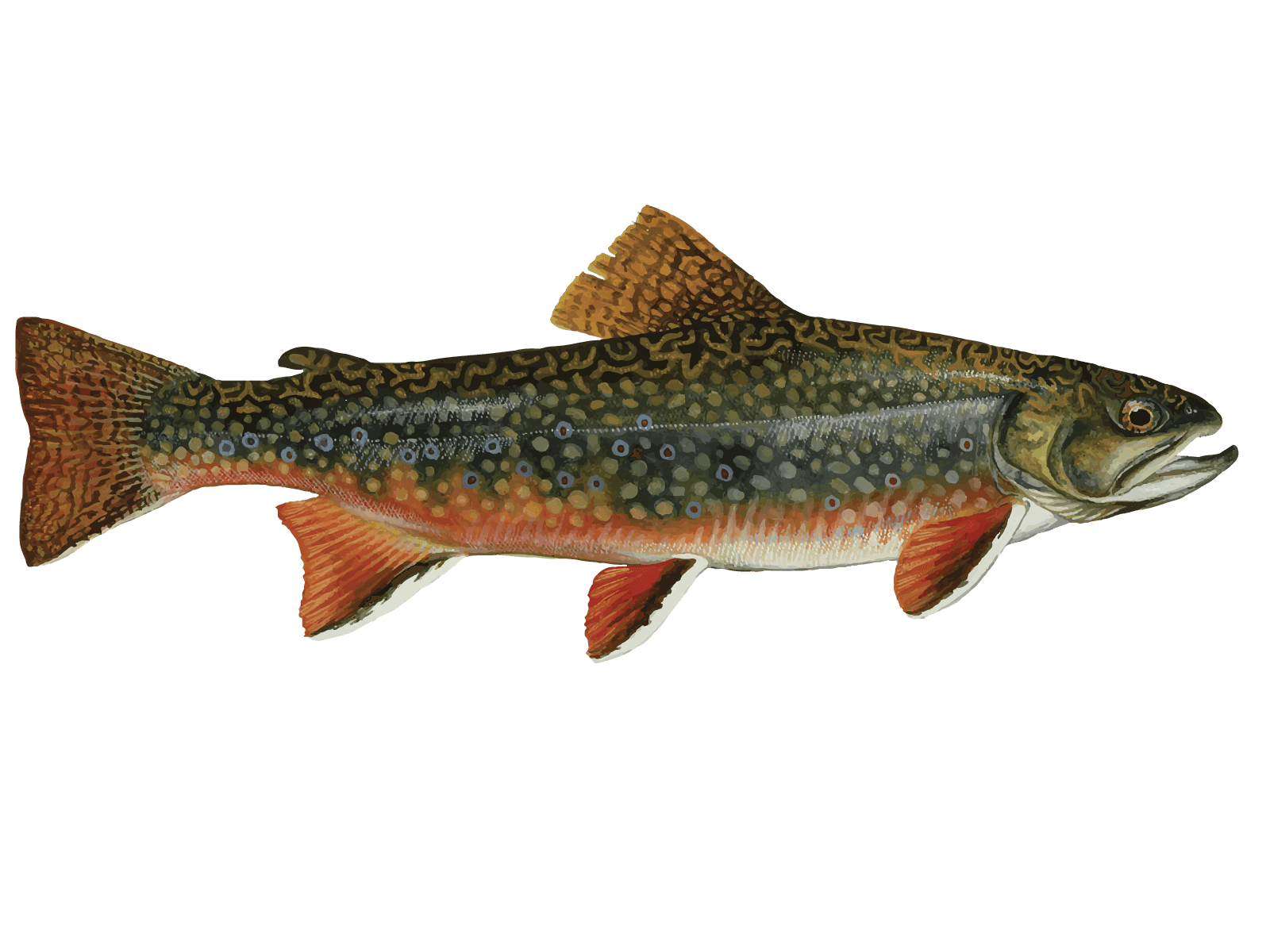
 Brook Trout
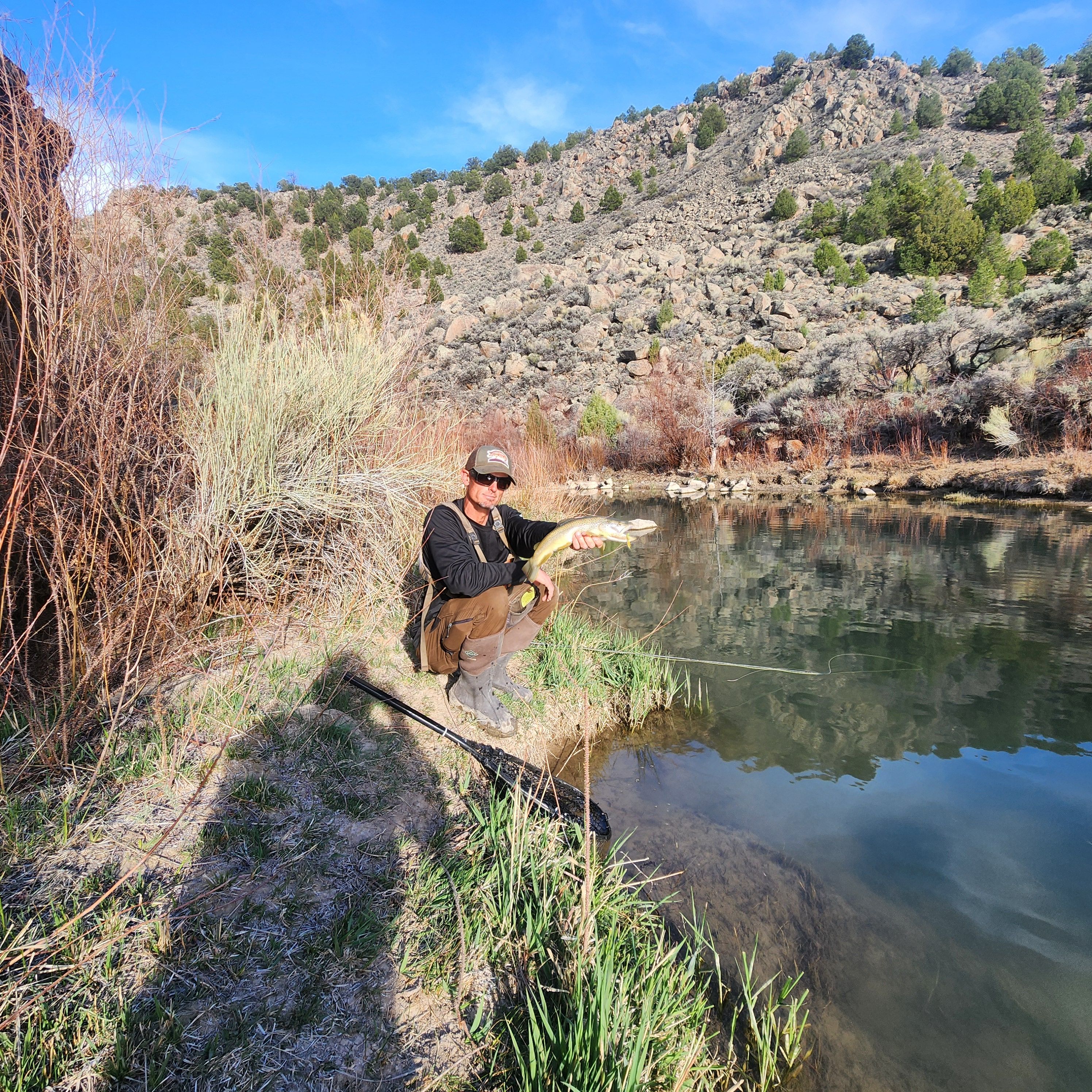
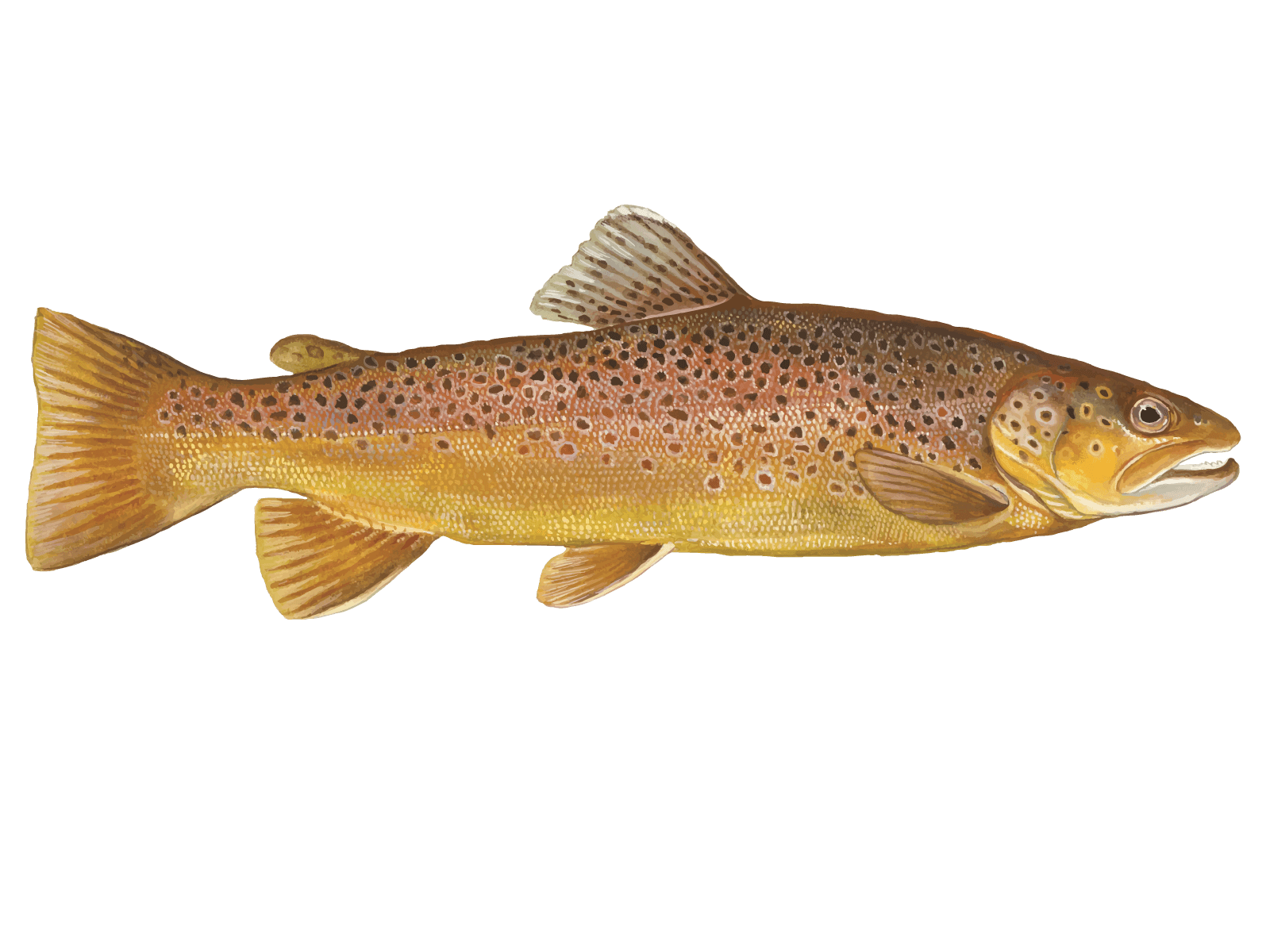
 Brown Trout
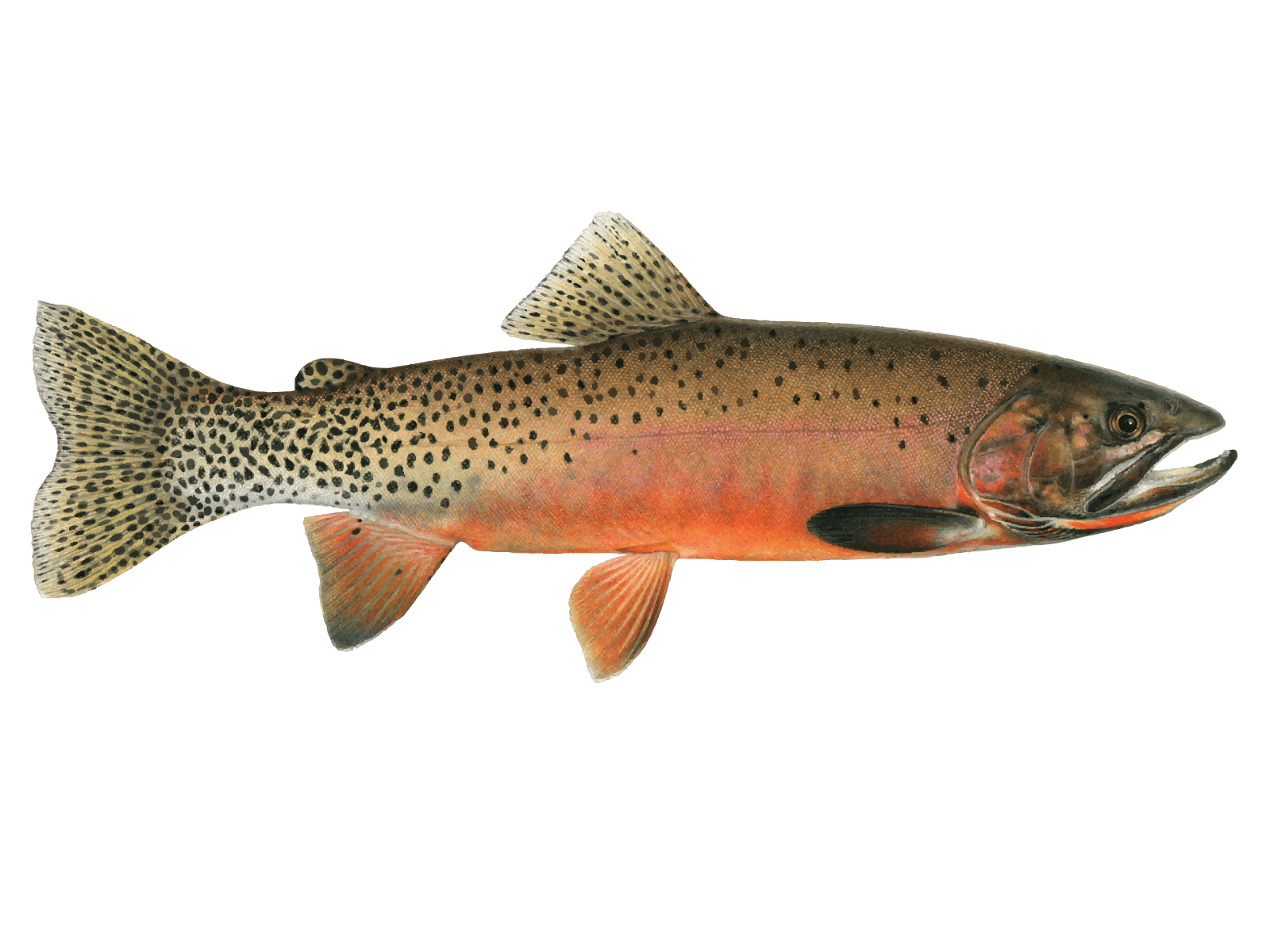
 Cutthroat Trout
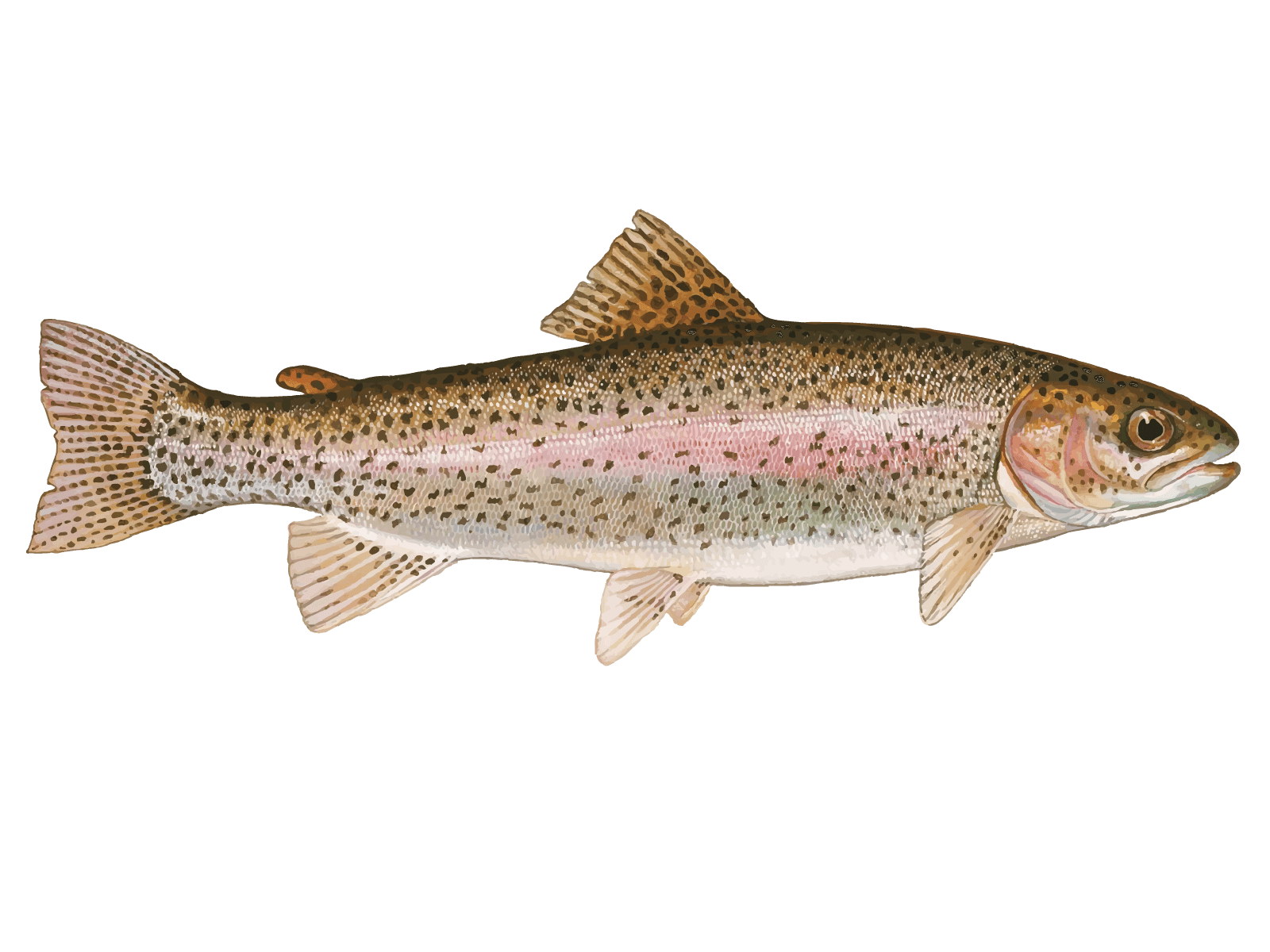
 Rainbow Trout
- 4-hour guided fly fishing on blue ribbon waters
- Small groups target quality trout with proven techniques
- $550 base price covers up to 2 anglers
Trip Pricing and Availabilities:
4-Hour Private Fly-Fishing in Southern Utah
Southern Utah's blue ribbon trout waters offer some of the most rewarding fly fishing you'll find anywhere in the West. This 4-hour private trip with Fly's and Tines puts you right where the fish are biting, with experienced local guides who know every pool, riffle, and undercut bank that holds quality trout. At $550 for up to 2 anglers, it's a top-rated experience that focuses on technique, reading water, and putting you on fish rather than just burning daylight on the river.
What to Expect on the Water
Your guide will meet you at premier Southern Utah waters known for consistent action and stunning scenery. These aren't crowded tourist spots – we're talking about productive streams where rainbow, brown, cutthroat, and brook trout thrive in cold, clear water. The 4-hour format gives you plenty of time to work different sections of river without feeling rushed. Your guide will start by reading the conditions and matching flies to what's working that day, whether it's dry flies during a hatch or nymphs in deeper runs. Groups are intentionally kept small (up to 6 anglers maximum with additional people at $100 each) so everyone gets hands-on instruction and prime fishing time. All you need is a valid fishing license – everything else is handled.
Flies, Techniques & Water
Southern Utah's trout waters demand versatility, and your guide will have you switching between techniques based on what the fish are telling you. Morning sessions often start with nymph rigs – think pheasant tails, hare's ears, and prince nymphs drifted through deeper pools where trout hold overnight. As the day warms up and insects start moving, you might switch to dry flies like Adams, elk hair caddis, or blue-winged olives depending on what's hatching. The key here is reading the water – your guide will show you how to identify feeding lanes, undercut banks, and structure that consistently holds fish. These waters have great insect life, so matching the hatch matters. You'll learn proper mending techniques to get drag-free drifts and how to set the hook on subtle takes that separate successful days from frustrating ones.
Target Species You'll Hook
Rainbow trout are the most common catch on these Southern Utah waters, typically running 12-16 inches with some reaching into the 18+ range. They're aggressive fighters that love to jump, making them a customer favorite for their aerial displays and strong runs. Rainbows are active year-round but peak during spring and fall when cooler water temps get them moving. They'll hit both dries and nymphs readily, especially during mayfly and caddis hatches.
Brown trout are the craftiest fish you'll encounter here – these European natives can live 10+ years and grow over 20 inches in Southern Utah's productive waters. They're notorious for being selective, often requiring perfect presentations and natural drifts. Browns become more active in fall as spawning season approaches, making them more aggressive toward streamers and larger flies. Landing a quality brown is what keeps anglers coming back season after season.
Cutthroat trout are the native species that perfectly adapted to these mountain waters over thousands of years. They're typically the most willing to take flies, making them great for newer anglers building confidence. Cutthroats average 10-14 inches but fight harder than their size suggests, with a preference for pocket water and faster currents. Their distinctive red slash under the jaw makes them easy to identify and a rewarding catch for anyone interested in native species.
Brook trout, technically a char, thrive in the coldest, cleanest water Southern Utah offers. They're smaller on average (8-12 inches) but absolutely beautiful with vibrant colors and intricate patterns. Brooks are opportunistic feeders that will hit small dries, nymphs, and even tiny streamers. They prefer undercut banks and shaded areas, making them fun to target with precise casts. Their willingness to eat makes them perfect for learning new techniques.
Time to Book Your Spot
This world-class fly fishing experience delivers consistent action on some of Southern Utah's most productive trout waters. Whether you're looking to improve your technique, target specific species, or just enjoy a day on renowned blue ribbon streams, these 4-hour trips offer the perfect balance of instruction and fishing time. The small group format ensures personalized attention while the experienced guides put you on fish using proven local knowledge. For groups larger than 6 anglers, call 435-691-3233 to discuss options. Don't wait – the best fishing days fill up fast, and Southern Utah's trout are ready when you are.
Learn more about the species
Brook Trout
Brook trout are the jewels of our high-country waters - small but absolutely beautiful with their olive backs, yellow spots, and orange fins edged in white and black. Most brook trout here run 6-12 inches, but don't let the size fool you - they're scrappy fighters. You'll find them in the coldest, cleanest water, often in smaller streams and high-elevation lakes where few other fish can survive. Late spring through early fall is best, especially on overcast days when they're less spooky. Anglers love brookies because they're aggressive feeders and stunningly colored - plus they're excellent eating. These fish are sensitive to water quality, so finding them means you're in pristine habitat. Here's the key with brook trout: think small and precise. Use light tippet, small flies like size 14-18 patterns, and approach carefully since they spook easily in shallow water. A well-presented dry fly on a calm pool often works magic.
Brown Trout
Brown trout are the wary veterans of our waters, typically running 14-24 inches with golden-brown sides covered in dark spots. These smart fish love structure - you'll find them tucked under logs, in deep pools, or anywhere they can ambush prey while staying hidden. Fall is prime time when they get aggressive before spawning, but they bite year-round if you're persistent. Browns are prized for their wariness and strong fights - they don't give up easy and will test your skills. The meat is excellent too, with a slightly nutty flavor. They're notorious for being picky, especially the bigger ones. Local tip: during midday when other trout shut down, try drifting a large nymph or streamer along the bottom near deep undercuts. Browns often hold tight to cover in bright conditions, so get your fly right in their kitchen and be ready for a hard strike.
Cutthroat Trout
Cutthroat trout are true natives to this region, easily spotted by those distinctive red slashes under their jaw. Most run 10-16 inches in our waters, with olive-green backs and that gorgeous red coloring. Look for them in clean, well-oxygenated water around rocky bottoms and areas with good cover like vegetation or overhanging brush. Spring and early summer are peak seasons when they're actively feeding on emerging insects. Cutthroats are special because they're less pressured than other trout and often more willing to take a fly. They fight well for their size and represent the wild character of our mountain waters. The eating quality is top-notch too. My go-to technique for cutthroats is matching whatever insects are hatching - they're less selective than browns but still prefer natural presentations. Try a prince nymph or elk hair caddis depending on what's moving, and don't be afraid to fish the shallow runs where they often cruise looking for food.
Rainbow Trout
Rainbow trout are the bread and butter of our Southern Utah waters, running 12-20 inches with that classic pink stripe down their silver sides. You'll find them in faster currents and cooler pools, especially where there's good cover like undercut banks or boulders. Spring through fall offers the best action, with morning and evening being prime time when they're feeding on insects. What makes rainbows special is their willingness to take a fly and that famous fight - they'll jump clear out of the water multiple times. They're also great eating with firm, mild flesh. Here's a local trick: when the water's running a bit high and murky, try a small wooly bugger in olive or black about 18 inches behind a strike indicator. These fish love to ambush prey drifting downstream, so let that fly dead-drift naturally through likely holding spots.